

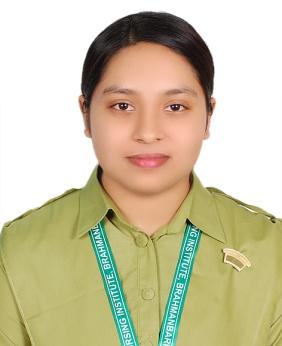
Arin Akter Swarna
Kishoreganj
Summary
Dedicated nursing professional committed to providing high-quality patient care through effective education and individualized care plans. Experienced in medication administration, vital monitoring, and implementing infection control measures to enhance patient safety and satisfaction.
Overview
1
1
year of professional experience
1
1
Certification
Work History
Senior Staff Nurse/OT Nurse
Insaf Specialized Hospital and Consultation centre
Brahmanbaria
01.2025 - Current
- Administered medications and treatments according to physician orders and hospital protocols.
- Monitored patient vitals, reporting changes to medical staff without delay.
- Educated patients and families on health management and discharge instructions.
- Implemented infection control measures to ensure a safe healthcare environment.
- Assessed patient care needs, developing individualized care plans and maintaining accurate records.
- Managed acute patient status changes through rapid problem identification and intervention initiation.
- Coordinated discharge planning activities with physicians, social workers, and healthcare teams
OT Staff Nurse
Insaf Specialised hospital and Consulatation Center, Brahmanbaria
Kishoreganj
01.2025 - Current
Preliminary Nurse (Student Nurse)
250 Bed General Hospital
Brahmanbaria
- Current
Intern
250 Bed General Hospital
Brahmanbaria
- Current
Education
Comprehensive / Licensing Examination -
Nursing Institute (Govt.) Brahmanbaria
Bangladesh09-2025
Diploma in Nursing Science & Midwifery -
Nursing Institute (Govt.) Brahmanbaria
Bangladesh11-2024
H.S.C - Humanities
Muktijuddha Abdul Haque Govt. College
Dhaka, Bangladesh01-2020
S.S.C - Humanities
Tamiza Khatun Govt. Girls High School
Dhaka, Bangladesh01-2018
National Id
2858673474
Duties Responsibilities
Assess patients’ physical, emotional, and psychological needs., Provide immediate/first aid treatment for common injuries such as wounds, burns, and minor fractures., Provide direct bedside care (feeding, bathing, mobility assistance, etc.)., Administer medications and monitor side effects., Monitor vital signs and clinical status., Provide comfort, emotional support, and reassurance., Assist doctors during examinations, procedures, and surgeries., Implement physician’s orders and nursing care plans., Collect specimens for laboratory testing., Perform wound care, IV therapy, and other procedures safely., Educate patients and families about disease, treatment, diet, and self-care., Teach preventive health practices., Counsel patients on medication adherence and follow-up care., Maintain accurate patient records., Report changes in patient condition promptly to physicians., Ensure confidentiality of patient information., Act as a patient advocate, ensuring rights and dignity are respected., Support patients in decision-making regarding their treatment., Maintain aseptic techniques to prevent infection., Follow hospital protocols for hygiene and sanitation., Ensure safe handling of equipment, waste, and hazardous materials., Stay updated with new nursing practices and medical knowledge., Participate in in-service training and continuing education., Supervise and mentor junior staff or nursing students., Organize patient care schedules and nursing assignments., Maintain adequate stock of drugs and medical supplies., Coordinate with healthcare team members for holistic care., Cover preoperative preparation, intraoperative assistance, postoperative care, documentation, infection control, and patient/family education.
Ability To Handle Medical Equipments
Stethoscope, Sphygmomanometer (BP machine), Thermometer, Pulse oximeter, Glucometer, Weighing scale, Syringes and needles, IV infusion sets, Infusion pumps, Nebulizer machine, Medication trolley, Sterile dressing set, Suction apparatus, Suture removal kit, ECG machine, Defibrillator, Resuscitation bag (Ambu bag), Oxygen cylinder/concentrator, Airway adjuncts, Bedpans, urinals, and commodes, Catheterization set, Feeding tubes (NGT, PEG), Suction machine, Wheelchair & stretcher, Autoclave/sterilizer, Personal Protective Equipment (PPE), Hand sanitizer/disinfectant, Sharps disposal container
References
Md Salahuddin Madner, RN, RRN (BHPI), BSN (DU), MPH (SUB), PhD (Nursing), Senior Nursing Instructor, Nursing Institute, Munshigonj, +8801930211467, salahuddin.ahmed70@gmail.com
Disclaimer
I hereby declare and attach my signature that all written information are straightforward and accurate to the best of my knowledge and my conviction.
Languages
- English
- Bangla
Computer Experience
Basic Computer Course (For 06 Months) with Govt. certificate (Microsoft word, Excel, PPT, E-mail, data entry etc)
Personal Information
- Height: 5 feet 1 inches
- Weight: 54 kg
- Father's Name: Md.Chadek Mia
- Mother's Name: Rojina Akter
- Blood Group: A (+ve)
- Date of Birth: 02/07/02
- Gender: Female
- Nationality: Bangladeshi
- Marital Status: Unmarried
- Religion: Muslim
Certification
Registered Nurse License No: BNMC-98979
Timeline
Senior Staff Nurse/OT Nurse
Insaf Specialized Hospital and Consultation centre
01.2025 - Current
OT Staff Nurse
Insaf Specialised hospital and Consulatation Center, Brahmanbaria
01.2025 - Current
Preliminary Nurse (Student Nurse)
250 Bed General Hospital
- Current
Intern
250 Bed General Hospital
- Current
Comprehensive / Licensing Examination -
Nursing Institute (Govt.) Brahmanbaria
Diploma in Nursing Science & Midwifery -
Nursing Institute (Govt.) Brahmanbaria
H.S.C - Humanities
Muktijuddha Abdul Haque Govt. College
S.S.C - Humanities
Tamiza Khatun Govt. Girls High School