

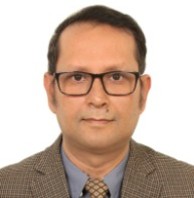
MD HABIBUR RAHMAN
206, Shantibag, Dhaka
Summary
Being livestock public health specialist having DVM and MPH degree, Dr. Rahman has grassroots level to international level experiences in working with a cross-cultural environment and multidisciplinary team of professionals. He has 20 years of experience in the field of health, livestock, fisheries and environment in Bangladesh, India, Nepal, Bhutan, Thailand and Indonesia. He has 9 years of working experience with FAO ECTAD and 1 year with WOAH. He has learning experiences on public health emergencies through One Health framework in different multidisciplinary projects with the colleagues of USAID, WOAH, World Bank, FAO, and WHO for preventing, detecting, advocacy and responding to existing and emerging/re-emerging threats including AMR and Transboundary Animal Diseases (TADs) in several countries. He facilitated data sharing in Reduce the Need for Antimicrobials on Farms for Sustainable Agrifood Systems Transformation (RENOFARM) developed by FAO and Animal antimicrobial use (ANIMUSE) developed by WOAH to reduce antimicrobial use on farms for sustainable agrifood systems. He has more than 13 years of demonstrated performances for formulating and implementing projects including technical, social, economic, environmental, institutional and technology related information collection, situational analysis, surveillance, and capacity development related to AMR, Anthrax, FMD, PPR, LSD, Avian Influenza (AI), Pandemic Influenza (COVID-19), Rabies, TB, etc. He has workforce development experiences on participatory OH approach; specially on Bangladesh AMR Response Alliance (BARA), Upazila to Community (U2C) and Rabies Action Center of Excellence (RACE) training. He was the founder Member Secretary, directly worked with Professor Md Sayedur Rahman, BARA founder Chairman and the special assistant to the Chief Adviser for the Ministry of Health and Family Welfare (MoH&FW) and Dr. Eric Brum, Country Team Lead, FAO ECTAD to form and run BARA. He has experience on supporting the policy making decisions in Bangladesh and South Asian countries. He provided guidance regarding project activities to ensure the good governance & gender mainstreaming and understanding of the material produced and used different participatory approaches engaging all stakeholders to ensure the sustainability of project results maintaining the strict deadlines by establishing priorities and following a structured/methodical approach to ensure high quality deliverables.
Overview
24
24
years of professional experience
Work History
National AMR MPTF Consultant for Bangladesh
World Organisation for Animal Health
Dhaka
04.2025 - Current
Workforce Development Coordinator
DAI Global LLC
Gulshan 2, Dhaka
10.2024 - 03.2025
National Technical Advisor-One Health Training and Outreach
Food and Agriculture Organization of the United Nations
Dhaka
09.2016 - 09.2024
National Technical Advisor-Canine Rabies Control
Food and Agriculture Organization of the United Nations
Dhaka
02.2016 - 06.2016
National Consultant-Biosecurity Specialist
Food and Agriculture Organization of the United Nations
Barisal
09.2013 - 12.2015
Senior Technical Officer
Research, Training and Management (RTM) International
Mirpur, Dhaka
08.2008 - 09.2013
Program Officer
Research, Training and Management (RTM) International
Dhaka
08.2007 - 07.2008
MIS and Documentation Officer
SHIMANTIK
Dhaka
01.2007 - 08.2007
Upazila Incharge cum Training Officer (UITO)
HEED-BANGLDESH
Moulovibazar
11.2004 - 12.2006
Marketing Officer (Technical)
BENGALOVERSEES
Dhaka
03.2002 - 10.2004
Education
Master in Public Health (MPH) - Independent Field Study on Community Diagnosis in Public Health, Research Methodology, Applied Epidemiology, Clinical Epidemiology, Disease Control
State University of Bangladesh
Dhaka, Bangladesh01.2012
Doctor of Veterinary Medicine (DVM) -
Chittagong Veterinary College affiliated by University of Chittagong
Chottogram01.2000
Skills
- Project management
- Stakeholder engagement
- Policy development
- Partnership Development
- Financial Management
- Gender Mainstreaming
- Standard Operational Procedure Development
- Communication strategies
- Data analysis
- Team Leadership
- Program evaluation
- Community outreach
- Creative thinking
- Time-management
- Decision making
- Technical issues analysis
- Effective communication
- Time efficiency
- Performance monitoring
- Public speaking
- Decision-Making proficiency
- Strategic planning
- Cultural awareness
- Workforce development
- Training design
- Budget planning
- Technical mentoring
- Policy writing
- Financial reporting
- Event coordination
- Critical analysis
- Decision making under pressure
- Leadership proficiency
- Process Improvement
- Time management proficiency
- Written and verbal communication
- Team building initiatives
- Strong leadership skills
- Compliance adherence
- Decision-Making competence
- Organisational development
- Operations management
- Transformational leadership
- Organisational development strategies
- Creative innovation
- Project oversight
- Presentation excellence
- Leadership influence
- Project management tools
- Persuasion skills
- Mentoring and coaching
- Strategic planning expertise
- High-level presenting
- Organisational awareness
- Risk assessment
- Capacity building
- Process improvements
- Stakeholder relationship management
- Innovative insightfulness
- Team negotiation
- Risk assessment and mitigation
- Leadership effectiveness
- Decision support
- Quality Control Analysis
- Workshop facilitation
- Data collection and analysis
- Financial analysis
- Critical and analytical thinking
- Change management frameworks
- Project budgeting
- Financial management
- Change management
- Goal setting guidance
- Strategic visioning
- Management information systems expertise
- Ethical judgement
- Project timeline management
- Stakeholder mapping techniques
- Data strategy
- Contract drafting
- Qualitative research
- Quantitative analysis
Languages
English
Proficient
C2
Bengali
Proficient
C2
References
- Dr. Pondpan Suwanthada, Regional AMR Project Officer, Asia Pacific, Tokyo, WOAH. Contact: +81 80-7893-4252. E-mail: p.suwanthada@woah.org
- Dr. Holy Akwar, Science Advisor at ICARS, Denmark. Contact: +45 21 53 52 49. E-mail: hotak@icars-global.org
- Muhiuddin Haider Ph.D, Clinical Professor in Global Heath School of Public Health University of Maryland College Park MD 20742 USA. Contact: (1) 202 256 3106. E-mail: mhaider@umd.edu
- Dr. David Hadrill, Technical Advisor (Animal Health), FAO Cambodia, Contact: +95 9774662314. E-mail: davidaway@yahoo.com
- Dr. Md. Abul Kalam, Former Global Health Security Specialist, Office of the Population, Health and Nutrition, USAID/ Bangladesh, US Embassy, Dhaka. Contact: +88 01714225456. E-mail: azaddls@yahoo.com
Accomplishments
- Susscesfully completed different projects with USAID, World Bank, UNICEF, UNHCR, MI, FAO, WOAH, DAI, FHI 360, PATH, SwissContact, URC etc since 2004.
- Worked as advisor/consultant with quadripartite partners (FAO, UNEP, WHO and WOAH) under Fleming Fund and MPTF projects (9 years in FAO ECTAD and 1.5 years in WOAH).
- Being a current WOAH consultant, I have Knowledge of WOAH standards (Terrestrial and Aquatic Codes and Manuals).
- Demonstrated working experiences in the prevention and control of endemic and emerging transboundary animal diseases and health threats that emerge at the animal-human-environment interface including zoonoses and antimicrobial resistance (AMR) and TADs.
- Developed and implemented animal disease surveillance protocols for AMR, AI, LSD, FMD, PPR etc including coordination and assisting in planning surveillance strategies in countries.
- Demonstrated experience in reviewing or developing surveillance guidelines, SOPs, or technical documents.
- Demonstrated experience as workforce development coordinator for FETPB-Advanced, FETPV-Advanced & Frontline and FTP-WEBE under USAID’s Systems Strengthening for One Health Activity.
- Supported capacity building in key areas such as surveillance design, disease reporting and data management, outbreak investigation, and risk-based surveillance approaches.
- Conducted several needs assessment to identify gaps in surveillance systems for AI and AMR and later on coordinated and supported the capacity improvement of human, animal and aquatic laboratories with technical support from FAO reference lab, UK and WOAH scientist from Japan in response to improve TADs including avian influenza, pandemic influenza, and AMR surveillance.
- Facilitated data sharing in "Reduce the Need for Antimicrobials on Farms for Sustainable Agrifood Systems Transformation (RENOFARM)" developed by FAO and "Animal antimicrobial use (ANIMUSE)" developed by WOAH to reduce antimicrobial use on farms for sustainable agrifood systems.
- Updated the policy, strategy and action plan for ensuring the practice of good governance & transparency, strong leadership, gender mainstreaming and organizational sustainability in several organizations.
- Developed the Facilitator's Handbook on Core Concept of Institutional and Organizational Governance System, Customized Training Module on Good Governance for Civil Society Organizations (CSOs).
- Formed “Bangladesh AMR Response Alliance (BARA)”; a community of practice of 362 veterinarians and 352 physicians who were trained on risks of AMR and responsible AMU following WHO AWaRe categorization.
- Developed participatory training materials and modules on animal disease surveillance and OH BARA training design for human, animal and other stakeholders involved in AMR mitigation by collecting data and conducting literature reviews and facilitated more than 80 batches of OH Continued Professional Development (CPD) training in Bangladesh and abroad with other trainers from human and animal health (Physicians and Veterinarians) sectors.
- Team leader among three human doctors and one vet to facilitate BARA training (continued professional development for med and vet professionals) in Indonesia followed by a strategy workshop to establish collaborative networks of interdisciplinary and intersectoral working groups using the OH approach.
- Facilitated the Antimicrobial Stewardship (AMS) and Infection, Prevention, Control (IPC) interventions at Chittagong Medical College Hospital (CMCH) developed by WHO which is globally recognized as the best practice.
- Developed Veterinary Antimicrobial Stewardship Guideline (VAG) and presented it in several national workshops.
- Developed and coordinated technical publications and content on AMR, AI and One Health.
- Supported Directorate General of Drug Administration (DGDA-Bangladesh) activities to control and prevent substandard and falsified antimicrobials and contributed in Bangladesh National Veterinary Formulary 2023.
- Joined in 2nd OIE Global Conference on antimicrobial resistance and prudent use of antimicrobial agents in animals at: Marrakesh, Morocco and performed the poster presentation on BARA approach and Sink Surveillance for AI and AMR in Bangladesh.
- Reviewed and developed WHO/FAO/WOAH standard technical documents, guidelines, protocols, handbooks & SoPs on clinical management and surveillance approaches on FMD, PPR, ASF, LSD, COVID-19, avian influenza (AI), rabies and AMR for human and animal health practitioners.
- Developed Standard Treatment Guidelines (STGs) for poultry, cattle, fish & human following FAO/WOAH/WHO standard and published (print) the GoB endorsed STGs which covers not only treatment but also disease surveillance, control and prevention, risk assessments, vaccination etc and endorsed by Bangladesh government.
- Developed One Health Policy and Strategy towards mitigating risks of Antimicrobial Resistance (AMR) and Avian Influenza (AI) for Bangladesh, Bhutan and Indonesia.
- Team leader as international consultant of USAID to develop AI policy followed by the conduction of training for the national level human doctors, veterinarian and agriculture officials of Bhutan.
- Only vet in Bangladesh who was the member of National Committee that developed “Handbook on TB” which was incorporated in the MBBS curriculum.
- Successfully trained more than 1500 GoB/NGO/Private sector officials and staff on avaina influenza control throughout the country and more than 1000 intern doctors on National TB Control Program protocols.
- National Review Committee Members of Bangladesh for approving several technical materials developed by USAID.
- Conducted OH sensitization workshops on AMR/AMU in all divisions of Bangladesh and aware above 4000 interns and students from medical colleges and veterianary institutions.
- Established Rabies Action Center of Excellence (RACE) in Bangladesh and produced more than one thousand street dog catchers and expert vaccinators.
- Facilitated the Technical and Operational support for “Facility Management and Leadership Programme (FMLP)” with the goal of clinicians and other health care providers (HCP) being enthusiastic to provide effective treatment to COVID-19 patients and be the examples of standard health care facility as a part of management programmes and in infectious disease management.
- Involved in designing the Community Support Team (CST) initiative funded by World Bank to conduct symptomatic community surveillance to control hospital burden by ensuring home isolation and quarantine in the community.
- Member of National IPC guidelines and Covid-19 case management development committee of Communicable Disease Control (CDC) of Directorate General of Health Services in Bangladesh.
- Coordinated several national and international AMR Technical Working Groups to produce several technical, communication materials (video documentary, scientific papers and general posters, leaflets, website articles etc) on AMR/AMU, Biosecurity/IPC and One Health.
- Developed Upazila 2 Community (U2C) approach and Participatory Training Designs.
- Provided technical support in program planning, management, surveys, research studies, analysis, assessment, capacity building, monitoring & evaluation tools and process development, conduction of different trainings/events/workshops/ seminars etc.
- Conducted several national and international research studies in different projects and led the multi-country study proposal titled “To define and analyze cross-border and in- country livestock and livestock-products market systems in Bangladesh” and awarded by FAO in 2013 and presented the findings of the study in Kathmandu, Nepal. Actually, this was the first step towards Transboundary Animal Diseases (TADs) journey in the region. For this successful implementation of the study, I was rewarded to join FAO in a project in Barishal as Biosecurity Specialist and then appointed in the Emergency Center for Transboundary Animal Diseases (ECTAD) unit of Bangladesh as Technical Advisor-One Health Training and Outreach.
- Prepared consolidated reports highlighting progress, challenges, and lessons learned.
Timeline
National AMR MPTF Consultant for Bangladesh
World Organisation for Animal Health
04.2025 - Current
Workforce Development Coordinator
DAI Global LLC
10.2024 - 03.2025
National Technical Advisor-One Health Training and Outreach
Food and Agriculture Organization of the United Nations
09.2016 - 09.2024
National Technical Advisor-Canine Rabies Control
Food and Agriculture Organization of the United Nations
02.2016 - 06.2016
National Consultant-Biosecurity Specialist
Food and Agriculture Organization of the United Nations
09.2013 - 12.2015
Senior Technical Officer
Research, Training and Management (RTM) International
08.2008 - 09.2013
Program Officer
Research, Training and Management (RTM) International
08.2007 - 07.2008
MIS and Documentation Officer
SHIMANTIK
01.2007 - 08.2007
Upazila Incharge cum Training Officer (UITO)
HEED-BANGLDESH
11.2004 - 12.2006
Marketing Officer (Technical)
BENGALOVERSEES
03.2002 - 10.2004
Master in Public Health (MPH) - Independent Field Study on Community Diagnosis in Public Health, Research Methodology, Applied Epidemiology, Clinical Epidemiology, Disease Control
State University of Bangladesh
Doctor of Veterinary Medicine (DVM) -
Chittagong Veterinary College affiliated by University of Chittagong